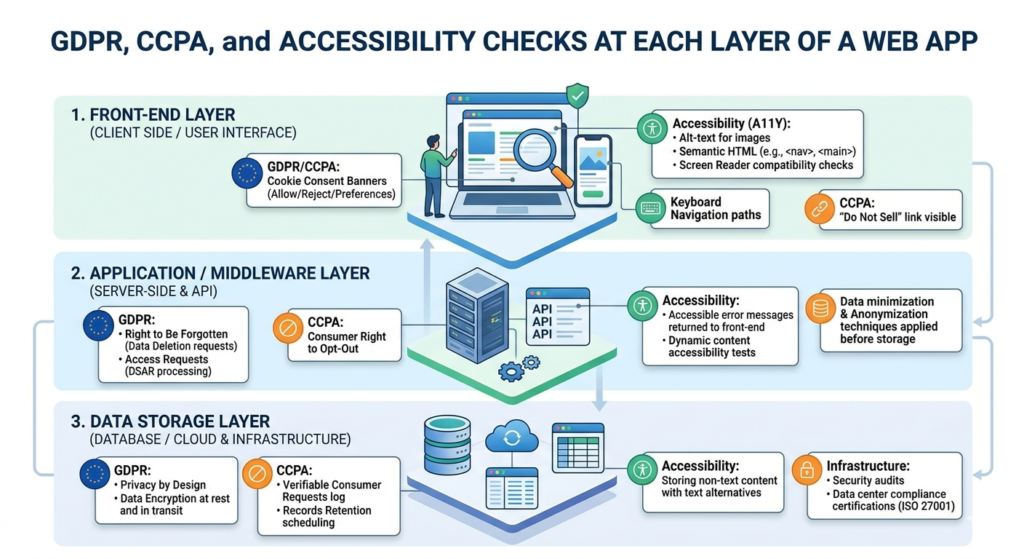
Web application compliance requires adhering to GDPR for European user data, CCPA for California privacy rights, and WCAG for accessibility standards. Violations result in penalties ranging from $2,500 to €20 million or 4% of annual revenue. So, you’ve finally built it. Your web app is live, the UI looks slick, and the first few users…
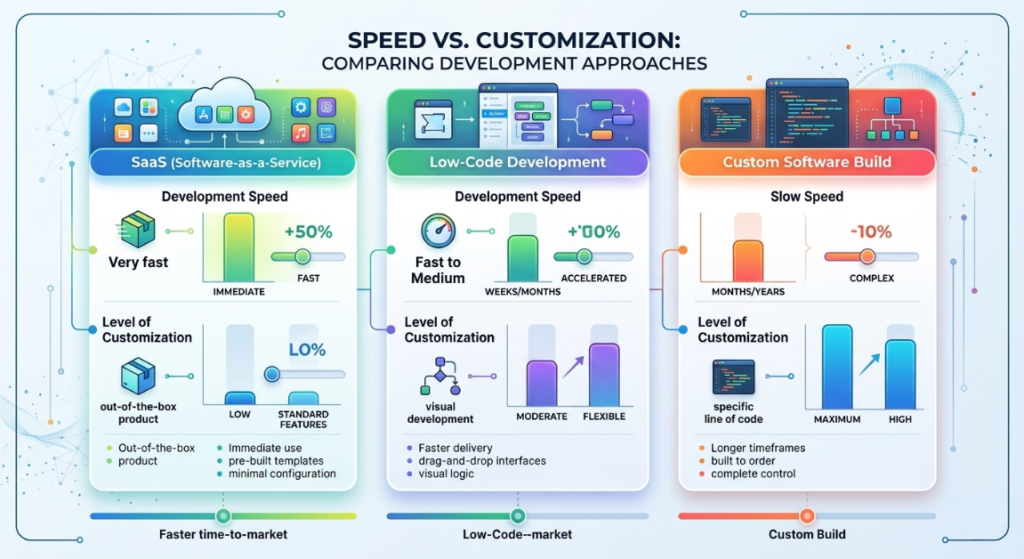
You should build internal tools if you need custom features and have developers; buy off-the-shelf software for standard tasks to save time and reduce maintenance. Pull up a chair. If you’re reading this, you’re likely staring at a screen of open tabs, comparing subscription prices for a CRM or project management tool, while simultaneously wondering…
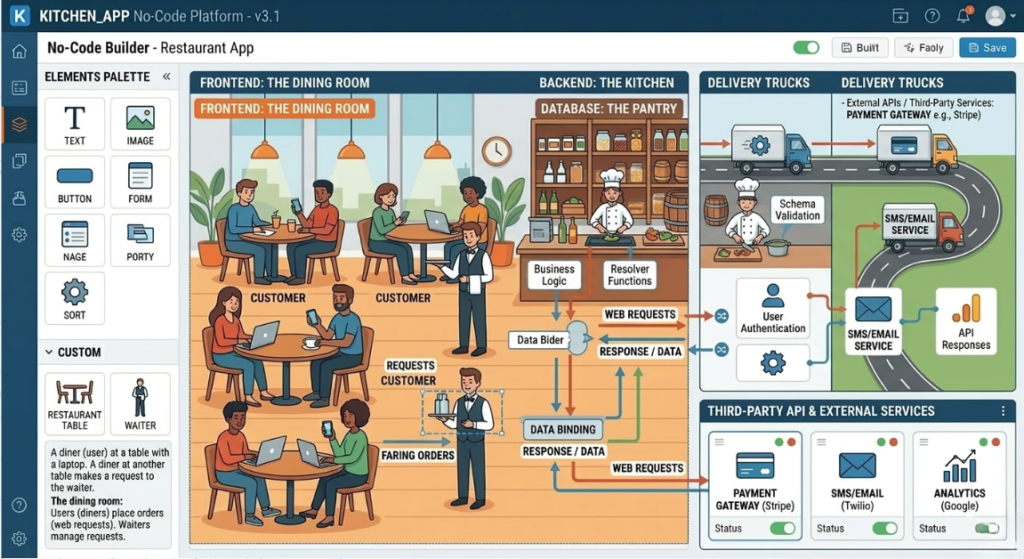
A web app requirements document is a blueprint that outlines features, user flows, tech stack, and budget. It prevents miscommunication between business owners and developers during the build process. So, you’ve got a killer idea for a web application. Maybe it’s a tool to automate your client bookings, or perhaps it’s a niche SaaS platform…
Responsive web design is a web development approach that makes websites adjust automatically to fit any screen size or device. It matters because Google uses mobile-first indexing, meaning sites that work well on phones rank higher and get more traffic. Let’s grab a coffee and talk about the elephant in the room. You’ve probably noticed…
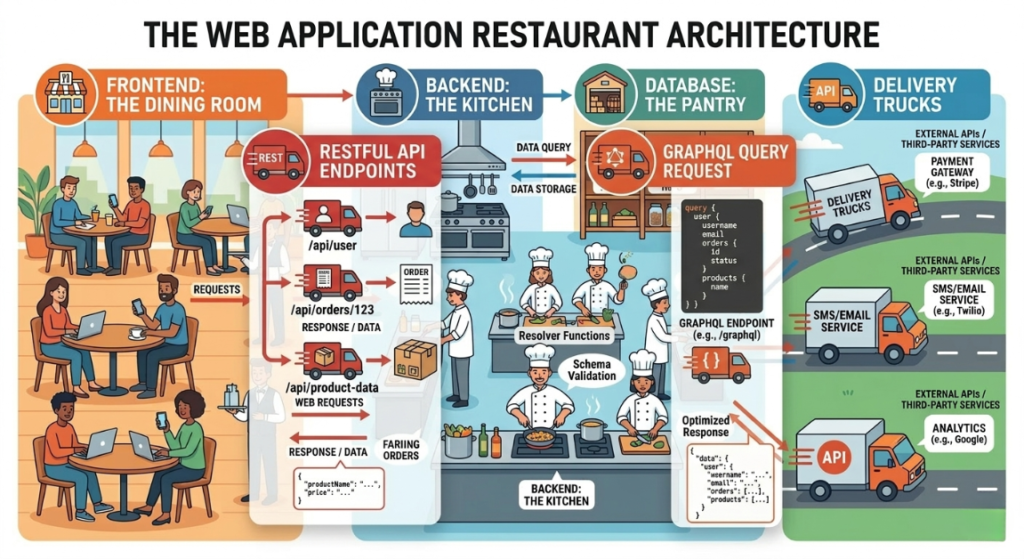
API integration is the process of connecting two or more software applications so they can exchange data and work together. It allows your web app to communicate with payment gateways, social media, or CRMs without manual coding. How API Integration Works (Simple Example) Grab a coffee and let’s talk tech. If you’re a small business…
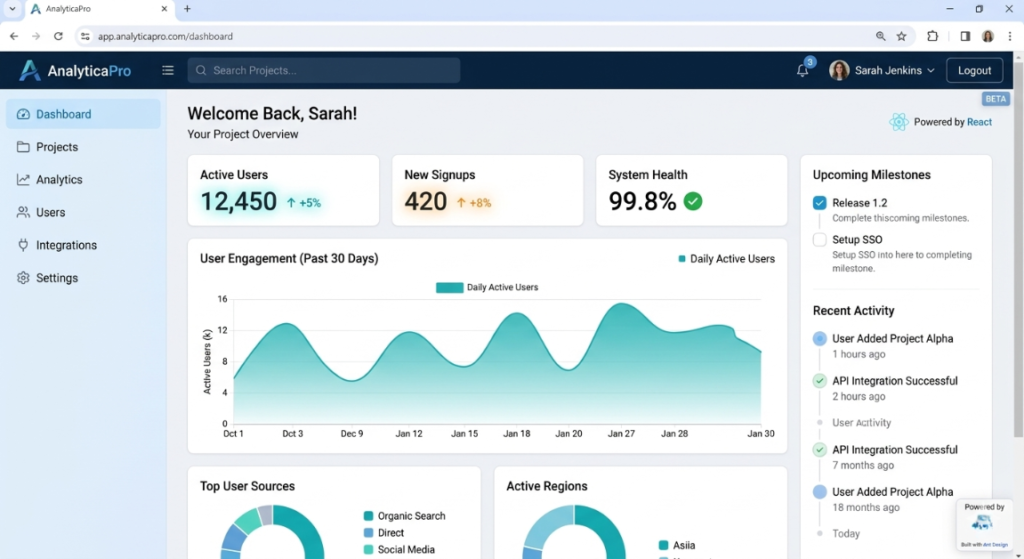
Web apps run on browsers and cost less to build, while mobile apps are installed on phones and offer better performance. Choose a web app for wider reach on a budget, or a mobile app for complex features and offline access. A lot of startup founders and small business owners come to me over coffee…
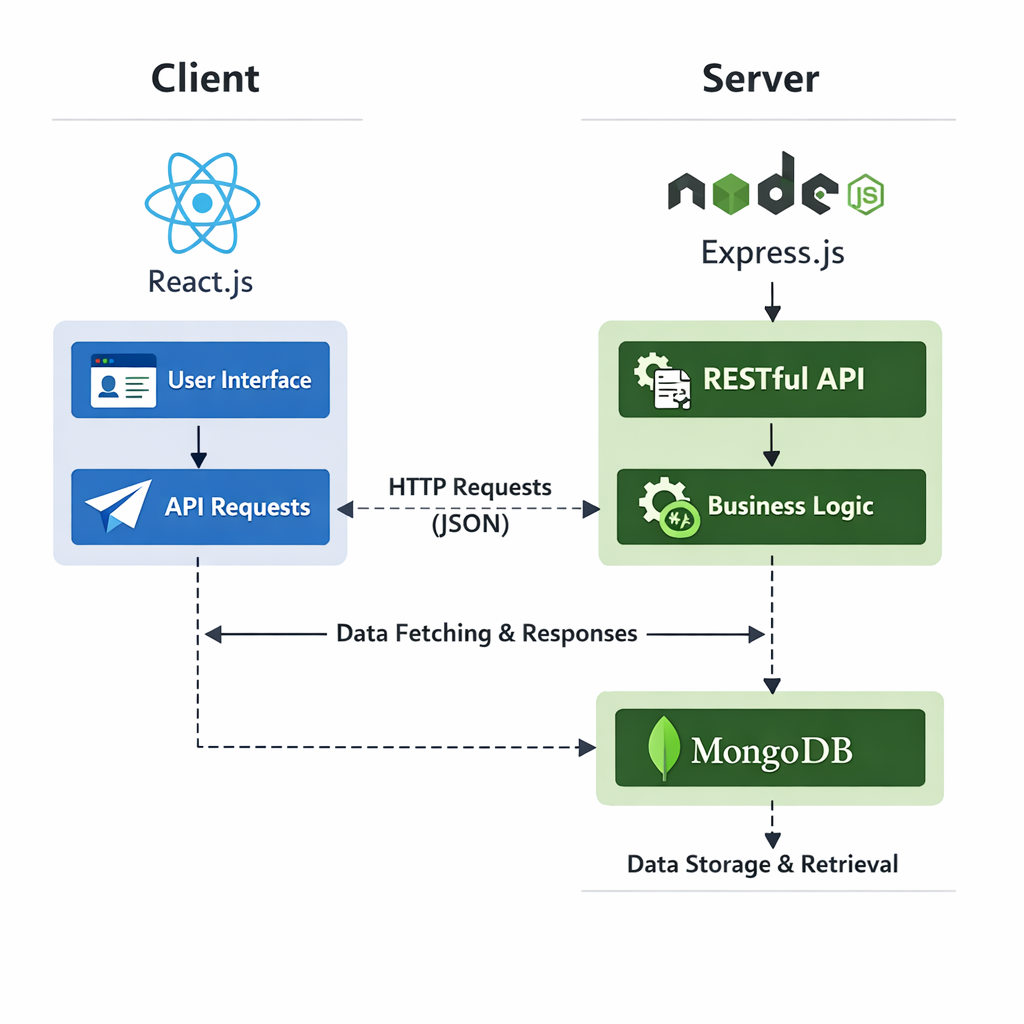
Choosing a tech stack for web development involves 5 key steps: define project scope, pick frontend framework (React/Vue), select backend technology (Node/Python), choose database, and plan hosting. This process ensures your project matches your budget and team skills. Let’s be honest for a second. If you are a non-technical founder or a small business owner,…
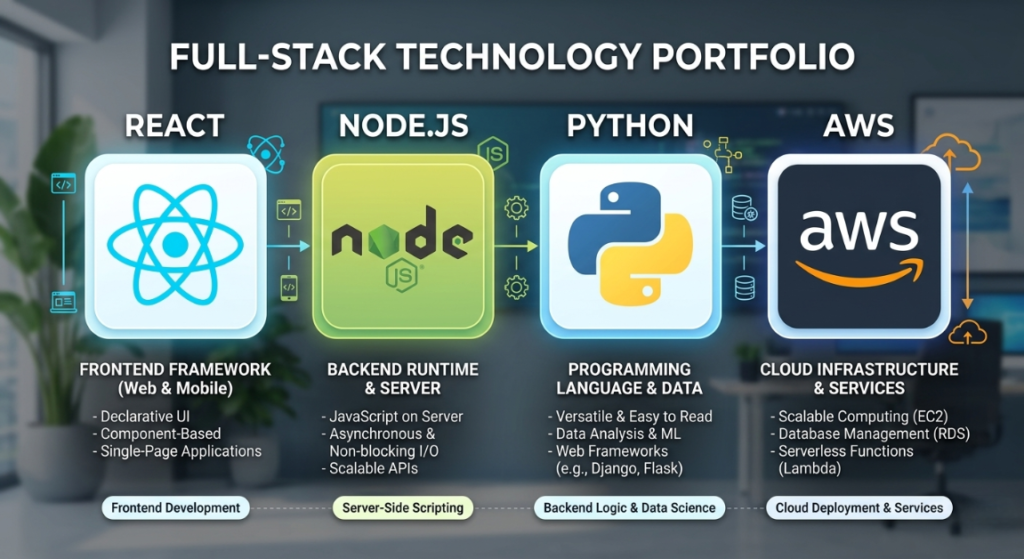
“The web application development process for small businesses involves 7 key steps: idea validation, MVP planning, tech stack selection, UI/UX design, development, testing, and deployment.” If you are a small business owner or a startup founder, you have probably realized that off-the-shelf software doesn’t always cut it. You might be dealing with spreadsheets that are…