
“We launched! Now what?”
I hear this all the time. A founder comes to me, thrilled that their web application is live. They’ve navigated the design, the development, the testing and now, they’re ready for the customers to roll in. They’ve budgeted for marketing, for staff, for inventory. But there’s one line item they almost always forget: the ongoing cost of keeping the app alive and healthy. They haven’t considered the real Web App Maintenance Costs: What to Budget in 2026.
Think of your web app like a new car. You don’t just pay the sticker price and drive it forever. It needs gas, oil changes, tire rotations, and insurance. Your web app is the same. In this guide, we’ll break down exactly what those “oil changes” are for your app, so you can build a realistic annual web app maintenance budget and avoid any nasty surprises down the road.
Why This Matters for Small Businesses
Ignoring maintenance isn’t just risky; it’s a guaranteed way to run into trouble. It’s the single most common reason I see promising applications fail a year or two after launch. Web App Maintenance Costs: What to Budget in 2026 They become slow, buggy, insecure, and eventually, they break.
I once consulted for a startup that had built a fantastic booking platform for local tour guides. They spent their entire budget on the initial launch and it was a huge hit. But they had zero budget for maintenance. Six months later, a critical security vulnerability was announced in a piece of software they used. Their site was hacked, customer data was compromised, and their reputation was shattered. The cost to fix the damage was ten times what a proper maintenance plan would have been.
Understanding Web App Maintenance Costs: What to Budget in 2026 is not an optional extra; it’s a core business expense, just like rent or payroll.
The Components That Need Maintaining
To understand what you’re paying for, let’s quickly revisit the structure of your app, but this time, from a maintenance perspective. Imagine your app is a restaurant.
- Hosting (The Building): You have to pay rent and utilities. This is your server cost. It needs to be kept clean, secure, and able to handle your customer traffic, Web App Maintenance Costs: What to Budget in 2026.
- The Codebase (The Kitchen): The code is your kitchen equipment. Over time, parts wear out (become outdated), new health codes are released (security patches), and you might need to service the equipment to keep it running efficiently.
- The Database (The Pantry): Your pantry needs to be organized. Data needs to be backed up regularly in case of a fire, and you need to make sure it’s not being infested with pests (unauthorized access).
- APIs (The Waitstaff & Suppliers): You rely on your waitstaff (internal APIs) and food suppliers (third-party APIs like Stripe for payments or Google Maps). If a supplier changes their delivery schedule or ingredients, you have to adapt. This is a huge part of modern Web App Maintenance Costs: What to Budget in 2026.
Keeping this restaurant in business is a continuous effort, and it’s the best analogy for understanding your app’s ongoing needs.
The 5 Core Drivers of Web App Maintenance Costs
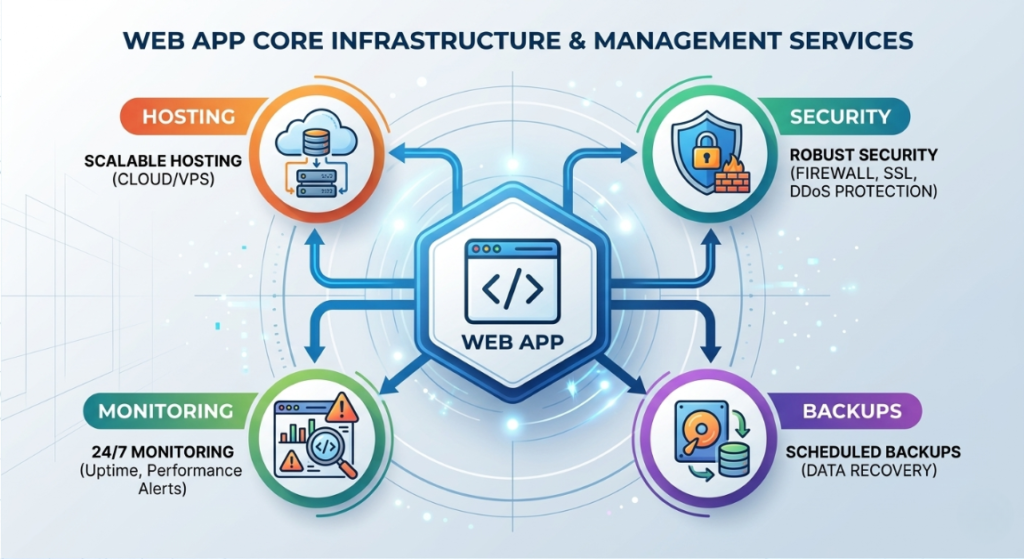
Your annual web app maintenance budget will be made up of several key components. Let’s break them down one by one.
1. Hosting and Infrastructure
Overview
This is the “rent” for your app’s home on the internet. It’s the most basic and non-negotiable of all Web App Maintenance Costs: What to Budget in 2026. This isn’t just about a server; it includes the network, the physical security, and the raw power to keep your app online. How to Validate Your Web App Idea Before Building (2026 Guide)
Best For
- Shared Hosting: Avoid for anything but a simple blog. Not suitable for web apps.
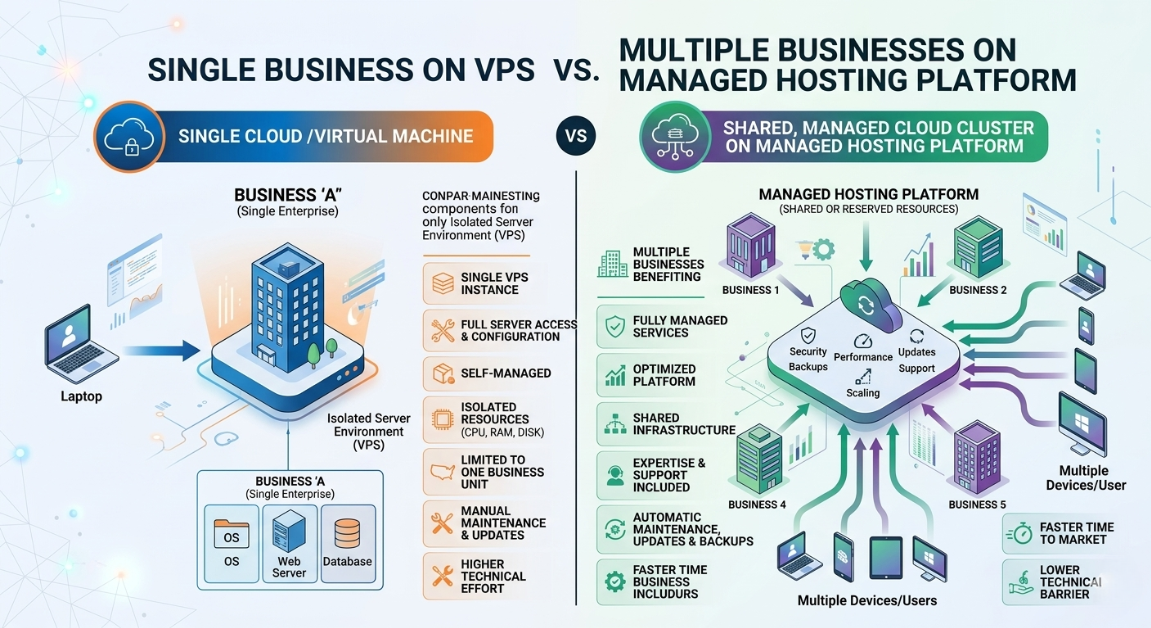
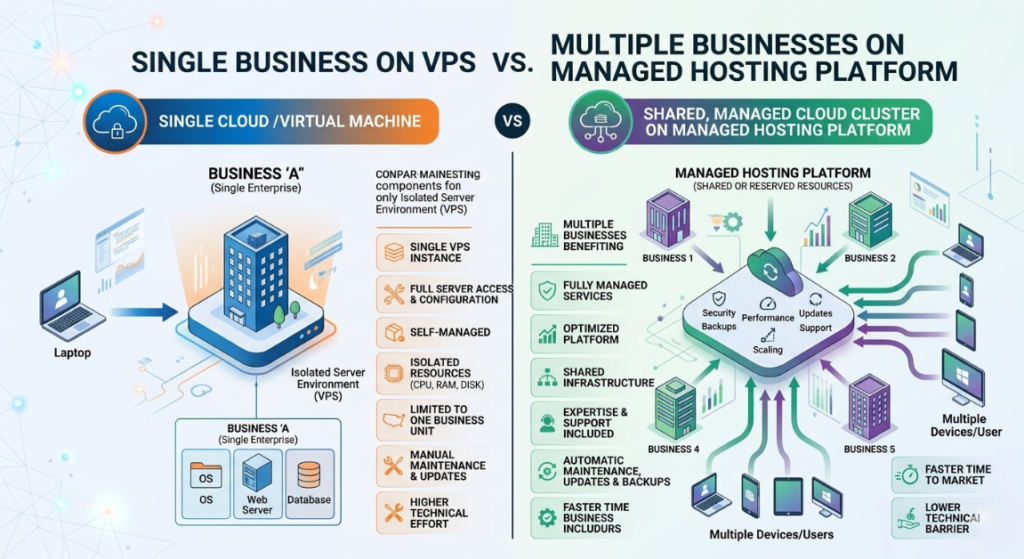
- VPS (Virtual Private Server): A good starting point for many small apps. You get your own slice of a server.
- Managed Hosting / PaaS (Platform-as-a-Service): The best choice for most small businesses. Companies like Vercel, Heroku, or managed hosting for web apps providers like Kinsta handle the server maintenance for you.
Pros & Cons of Managed Hosting
| Pros | Cons |
| – Handles server updates for you- Easy to scale your resources- Excellent security and support | – More expensive than a basic VPS- Less granular control (which is usually a good thing for non-experts) |
Estimated Cost
Your website infrastructure costs 2026 can vary widely. Web App Maintenance Costs: What to Budget in 2026. What is Responsive Web Design and Why It Matters 2026
- VPS: $20 – $100/month
- Managed Hosting: $50 – $500+/month, depending on traffic and app size.
Real-World Use Case
A small SaaS startup gets 1,000 new users. With managed hosting, they can click a button to scale up their server resources instantly. On a VPS, they’d need a developer to manually provision a larger server, causing downtime.
2. Software Updates & Patching
Overview
Your app isn’t a static thing. It’s built on a mountain of other software (frameworks, libraries, packages). All of that underlying software is constantly being updated to fix bugs and, most importantly, patch security holes. Ignoring this is like leaving your front door unlocked. These software update and patching fees are essentially the cost of a locksmith keeping your locks current.
Best For
Everyone. This is not optional. The question is who does the work: your developer, a maintenance service, or your managed hosting provider.
Web App vs Mobile App in 2026: Which to Choose?
Estimated Cost
- DIY: “Free,” but it costs your time and the risk is enormous if you don’t know what you’re doing.
- Developer Retainer: Often included in a monthly support plan. The average cost of hiring a developer for monthly app maintenance for this kind of work can be $200 – $1,000/month.
Real-World Use Case
In 2021, a major vulnerability called “Log4Shell” was discovered. It affected millions of applications. Companies with a maintenance plan had developers patching their systems within hours. Those without one scrambled for weeks, leaving themselves exposed.
3. Monitoring, Backups, and Security
Overview
You can’t fix what you can’t see. Monitoring services watch your app 24/7 for crashes or slowdowns. Backup systems take regular snapshots of your data so you can recover from disaster. Security scans proactively look for vulnerabilities. This is your app’s alarm system, sprinkler system, and security guard all rolled into one.
Estimated Cost
- Monitoring: $10 – $100/month (e.g., UptimeRobot, Sentry, Datadog).
- Backups: Often included with good hosting, but dedicated services might cost $5 – $50/month.
- Security Scanning: $30 – $200/month for automated tools.
This is a core part of your Web App Maintenance Costs: What to Budget in 2026.
4. Technical Support and Bug Fixes
Overview
Even the best apps have bugs. A user might find a weird issue, a button might stop working, or an error message might appear. You need someone available to investigate and fix these problems. This is different from adding new features; this is just keeping the existing ones working as intended.
Best For
- Pay-as-you-go: Good for apps with very few users, but can be expensive in an emergency.
- Developer Retainer: The most common model. You pay for a set number of hours each month. This is the best way to budget the average cost of hiring a developer for monthly app maintenance.
Estimated Cost
- Retainer: $500 – $5,000+/month, depending on the app’s complexity and the required response time. A smaller app might have a retainer of 5-10 hours per month.
5. Third-Party API Costs
Overview
Your app probably relies on other services to function: Stripe for payments, Google Maps for location, Twilio for sending text messages. Many of these services have their own monthly fees, and as your user base grows, so do these costs. These API integration monthly costs are a critical, and often overlooked, part of your budget. How to Choose Tech Stack for Web Development Project (2026)
Estimated Cost
This is highly variable. You could spend $0 or you could spend thousands. You need to read the pricing page for every single external service your app touches. These are some of the most common hidden costs of scaling a web application in 2026.
Options to Avoid (Mistakes That Inflate Costs)
Want to know how to reduce web app maintenance costs for small businesses? Avoid these common pitfalls.
- Building on Obscure Technology: That cool, new, niche framework might be fun for a developer, but if only 100 people in the world know how to use it, your maintenance costs will be astronomical when you need to hire someone. Stick with popular, well-supported technologies (React, Python, etc.).
- Skipping Automated Testing: It costs more upfront to have your developer write tests for the code. But it saves an incredible amount of money down the line by catching bugs before they ever reach your users. An app with good test coverage has dramatically lower Web App Maintenance Costs: What to Budget in 2026.
- Incurring “Technical Debt”: This is what happens when you choose a quick, easy, and often messy solution now instead of the right one. Every shortcut you take builds up “debt” that you’ll have to “pay back” later with interest, in the form of higher maintenance and bug-fixing costs.
Maintenance Approach Comparison Table
There are a few ways to handle your annual web app maintenance budget.
| Approach | Best For | Difficulty | Cost | Business Rating |
| DIY (Do It Yourself) | Tech-savvy founders | Hard | Low (but high risk) | ⭐⭐ |
| Pay-As-You-Go | Very simple, low-traffic apps | Easy | Unpredictable | ⭐⭐⭐ |
| Developer Retainer | Most custom web apps | Easy | Medium-High | ⭐⭐⭐⭐⭐ |
| Managed Services | Businesses wanting peace of mind | Very Easy | High | ⭐⭐⭐⭐ |
Rating meaning:
- ⭐⭐⭐⭐⭐ = The most reliable and predictable option for a serious business.
- ⭐⭐⭐⭐ = A great, hands-off option, but can be more expensive.
- ⭐⭐⭐ = A decent starting point, but risky as you grow.
- ⭐⭐ = Avoid unless you are a developer yourself.
Sample Maintenance Budgets for 2026
Let’s make this real. Here are three sample budgets that illustrate the range of Web App Maintenance Costs: What to Budget in 2026.
The Complete Web Application Development Guide for Small Businesses (2026)
Budget 1: The Lean SaaS MVP
- Hosting: Vercel/Heroku Hobby Tier ($20/month)
- Monitoring: Sentry for error tracking (Free Tier)
- Backups: Included with hosting.
- Updates & Support: Handled by the founder (who has some tech skills).
- Estimated Monthly Cost: $20 – $50/month
- Best For: Bootstrapped startups in the first 6 months, pre-revenue.
Budget 2: The Established Small Business App
- Hosting: Managed Hosting on DigitalOcean ($100/month)
- Monitoring: UptimeRobot + Sentry ($50/month)
- Backups: Automated daily backups ($20/month)
- Developer Retainer: 5 hours/month for updates and bug fixes ($500/month)
- Estimated Monthly Cost: $670/month
- Best For: A service business with a custom client portal generating revenue.
How to Create a Web App Requirements Document (2026 Guide)
Budget 3: The Growing SaaS Platform
- Hosting: Scalable AWS infrastructure ($300+/month)
- Monitoring: Datadog for full observability ($200/month)
- Security: Automated vulnerability scanning ($100/month)
- APIs: Google Maps, Twilio, Stripe fees ($150/month)
- Developer Retainer: 20 hours/month ($2,000/month)
- Estimated Monthly Cost: $2,750+/month
- Best For: A successful SaaS business with hundreds or thousands of active users.
- Discover web app development costs in 2026. From simple apps to complex platforms, get detailed pricing breakdowns for your project.
Web Application Compliance: GDPR, CCPA, & Accessibility (2026)
Cost Breakdown: The Rule of Thumb
So what’s the final number? If you’re looking for a simple rule to create your annual web app maintenance budget, here it is:
Budget 15-25% of your application’s initial development cost for annual maintenance.
- If you spent $20,000 to build your app, you should budget $3,000 – $5,000 per year ($250 – $416/month).
- If you spent $100,000, you should budget $15,000 – $25,000 per year ($1,250 – $2,083/month).
This is the single most realistic way to estimate your Web App Maintenance Costs: What to Budget in 2026.
Internal Tools vs Off-the-Shelf Software: Build or Buy? (2026)
Related Articles You Might Like
If this guide on Web App Maintenance Costs: What to Budget in 2026 was helpful, you’ll want to read our article on the hidden costs of scaling a web application. We explore how your infrastructure and API costs can change unexpectedly as your user base grows, and how to plan for them.
What is API Integration in Web Development Explained (2026)
Frequently Asked Questions
1. Can I reduce my web app maintenance costs?
Yes. The best way is to invest in quality from the start: choose a good tech stack, insist on automated tests, and use a reliable managed hosting provider. Trying to cut corners on day one is the most common reason for high maintenance costs on day 365. This is the secret to how to reduce web app maintenance costs for small businesses.
2. Why can’t I just skip updates for a few months?
You could, but it’s like not getting the oil changed in your car. It might run fine for a while, but you’re causing unseen damage. The biggest risk is security. Most hacks exploit known vulnerabilities that have already been patched. By not updating, you are leaving your app and your users’ data vulnerable.
3. Is maintenance the same as adding new features?
No, and this is a crucial distinction. Maintenance is about preserving the current state of your app. Adding new features is a separate development cost. Your maintenance retainer typically covers keeping the lights on, not building a new room.
4. How much does a developer cost for monthly maintenance?
The average cost of hiring a developer for monthly app maintenance via a retainer can range from $500 for a very small app to over $5,000 for a complex platform. It depends on the hours included and the developer’s hourly rate ($75-$200/hour is common).
5. Do I need to pay for maintenance if I use Shopify?
No, and this is their biggest selling point! For platforms like Shopify or BigCommerce (Software-as-a-Service), the hosting, security, and software updates are all included in your monthly fee. You are essentially outsourcing your maintenance to them. This is why their monthly fees are higher than basic hosting.
Final Thoughts
It’s natural to focus on the exciting process of building and launching your web application. But the reality is that launch day is just the beginning of the journey. By treating maintenance as a core, predictable business expense from day one, you transform it from a source of stress into a strategic advantage.
Web Application Compliance: GDPR, CCPA, & Accessibility (2026)
A well-maintained app is fast, secure, and reliable. It builds trust with your users and provides a stable foundation for future growth. So when you’re planning your next big idea, remember to ask not just “What will it cost to build?” but also “What are the real Web App Maintenance Costs: What to Budget in 2026?”
How Much Does It Cost to Build a Simple Web App (2026 Guide)
Call To Action
What’s the most surprising maintenance cost you’ve encountered with your web app? Do you use a retainer, or do you handle things yourself? Share your experiences and questions in the comments below. Your story could help another business owner make a better decision. And for more practical tech advice, subscribe to our newsletter
Leave a Reply